article / July 15, 2026
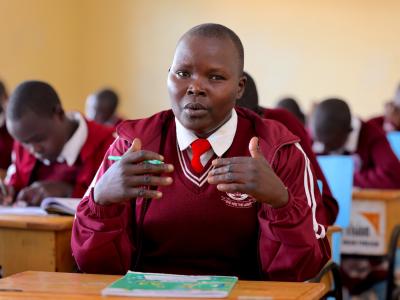
World Vision Lesotho Equips Teachers to Strengthen WASH Clubs, Active Citizenship and Disaster Preparedness
World Vision Lesotho trained 81 teachers to strengthen WASH Clubs, active citizenship and disaster preparedness, empowering learners to build healthier, safer and more resilient schools.
article / July 14, 2026
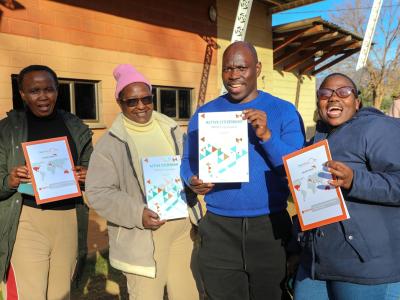
She Found Her Voice. Her Community Found Its Future.
There was a time when Ratha believed her future had already been decided.
publication / July 13, 2026
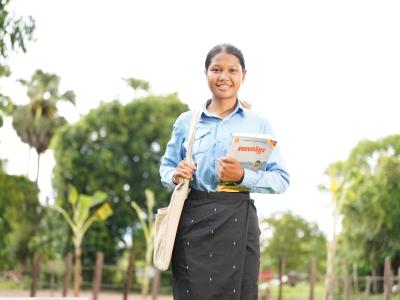
From Rations to Resilience: Helping Refugee Children Thrive in Burundi
As humanitarian funding declines and needs rise in Burundi's Musenyi refugee site, World Vision is helping refugee families build resilience through livelihood cooperatives that improve food security, income, and opportunities for children. These child-focused, community-led solutions are enabling families to move beyond survival, strengthening children's well-being, education, and hope for a more secure future.
article / June 30, 2026
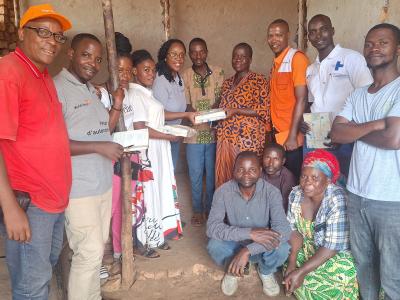
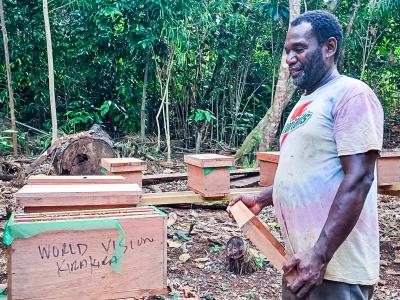
Growing resilience, harvesting hope: How communities in Makira are building a stronger future
Discover how the CARA Project is helping communities in Makira build climate resilience, improve livelihoods, strengthen food security, and create brighter futures for children.
publication / July 14, 2026
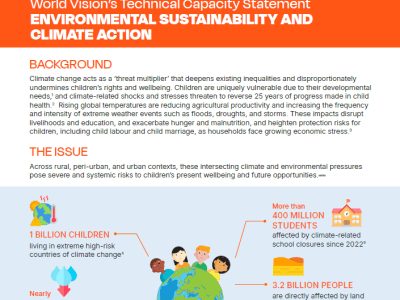
World Vision’s Technical Capacity Statement - Environmental Sustainability and Climate Action
Discover World Vision’s climate action impact across 69 countries—restoring land, training communities, and building resilience for children.
press release / June 24, 2026
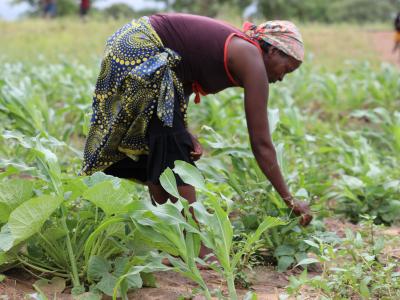
World Vision Strengthen Community Disaster Risk Reduction capacity amid the super El Niño impact forecast in Southern Africa
World Vision strengthens community resilience in Southern Africa through Disaster Risk Reduction as a forecasted super El Niño threatens drought and floods in Mozambique.
article / June 24, 2026
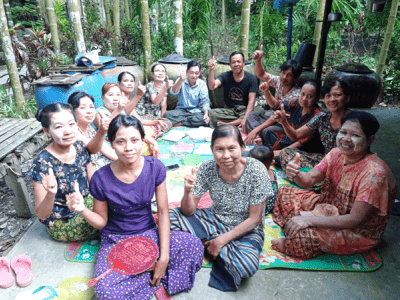
Seeds of Resilience
For years, the memory of devastation hung quietly over Kyan khin Village. When a catastrophic Cyclone Nargis tore through Myanmar's Ayeyarwady Region, it didn't just flatten the local school, clinic, and homes—it shattered the community’s economic foundation. For a village reliant on farming, casual labor, and small-scale fishing, recovery was an agonizingly slow climb out of deep poverty. But true resilience doesn't just wait for the next storm; it prepares for it.
press release / July 8, 2026
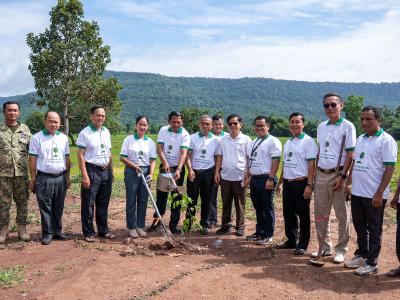
Press Release: Communities Unite to Plant 1,000 Trees to Strengthen Water Security and Climate Resilience in Sangkum Thmei
World Vision Cambodia, local authorities, and communities joined forces to plant 1,000 trees in Sangkum Thmei, promoting water security, environmental protection, and climate resilience for future generations.
article / July 7, 2026
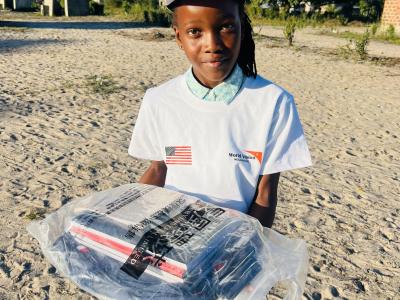
Beyond Relief: Why Protecting Girls Matters in Humanitarian Response?
Discover how World Vision's integrated humanitarian response in Mozambique empowers girls through protection, helping them build safer, more resilient futures.
article / July 15, 2026
Not Too Late for Education: Nancy’s Second Chance and a Community’s New Dream
Discover how Nancy Asiya, a mother of six from Baringo County, returned to secondary school at 36 after a 16-year break, turning a lifelong dream into reality.